All posts tagged consumer rights

National Consumer Protection Week 2013, and a Contest (Day 1)!

National Consumer Protection Week 2013, and a Contest (Day 1)!

NCPW2013_285x285It’s one of our favorite weeks of the year…National Consumer Protection Week (NCPW)! It’s a time to highlight some of the amazing resources available on the web to help you make informed choices as a consumer and business owner. And since we love this week so much, we decided to make it even MORE fun with a contest!

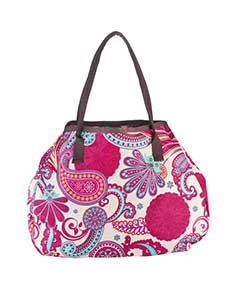
Each day this week, we’ll post a question. Use the NCPW resources we’ve provided to answer the question, and you’ll be entered to win an amazing gift tote full of products from a number of companies in the direct sales industry. We’ve provided some bonus entry options as well.

We’re giving away a bag stuffed full of amazing products each day, so be sure to come back each day to enter!

Prize Details

Today’s winner will receive a gift bag of products, including:

How to Enter

Simply leave a comment answering today’s question: What’s one way you can protect your computer from hackers? (Find the link to the answer on our NCPW resources page! – Opens in a separate window)

UPDATE: Congratulations to Sue Williams, the winner of our 1st prize bag! Her answer was: “Use a strong password and change it often.”

Click here to see all of this week’s winners: http://dsef.org/2013/03/09/ncpw-2013-contest-winners/

* Contest is open to residents of the US and Canada, ages 18 and older.

Good luck, and don’t forget to tell your friends!
DSEF & BBB: Tips for Securing Your Mobile Device

DSEF & BBB: Tips for Securing Your Mobile Device

blue_with_website-225x30022By Amy Fowler

Better Business Bureau is urging consumers to take steps to secure their mobile devices in order to protect themselves from identity theft and malware.

According to a survey released by The Pew Research Center in January, almost half of all American adults now own smartphones. The same survey found that 17 percent of all consumers use their mobile device as their primary means of accessing the internet.

Smartphones can be a treasure trove for hackers. Through apps and mobile browsers, people store personal information like passwords, bank account information and credit card numbers in addition to their contacts and other information.

However, a survey conducted in part by the National Cyber Security Alliance, found that more than one quarter of cell phone users are not aware of common security threats to smartphones and more than half do not know enough about mobile phone security to decide whether or not they need it.

BBB urges consumers to remember that a smart phone is no different than a desktop or laptop computer, in that it is vulnerable to the same hackers, malware, spyware and viruses.

Here are a few practical tips from BBB to secure your mobile devices:

  • Lock your phone. If your phone is lost or stolen, your personal information is at risk. Add a security code to your phone to prevent thieves from accessing your data. Then set your device to lock automatically when not in use for  a specified time.
  • Update your operating system. Those alerts on your smart phone that tell you to update your apps and operating system are more than just a minor annoyance. These updates close security loopholes and other backdoors hackers can use to access your phone without your knowledge.
  • Beware of unknown apps and links. Do not download any apps or click on links in your email or social media pages without first researching their source. They may contain viruses, malware or spyware that can compromise your personal data.
  • Avoid unsecured Wi-Fi. If you choose to connect to an unsecured or public Wi-Fi network, do not enter any passwords or access any personal data. Bad guys can use such networks as an easy means to hack your device.
  • Turn off Bluetooth. Bluetooth creates a wireless connection between your phone and other devices or phones. If you are not actively using an enabled device, such as a headset, make sure your Bluetooth is turned off.
  • Check your permissions. Check all of your apps to see what data they are accessing and revoke permissions for information those apps don’t need to properly operate. Check your phone’s owner’s manual or contact your wireless provider for directions on how to do so.
  • Report missing devices. If your phone is lost or stolen, immediately report it to your wireless carrier and have the device disabled.
  • Back up your data. Make sure you have a backup of all the apps and information — especially important photos or other irreplaceable items — stored on your phone in case it’s lost, stolen, hacked or damaged.
  • Pay close attention to your phone bills. Unanticipated, sudden increases in data usage can indicate a problem. In addition, third-party content providers sometimes add erroneous charges to bills for apps or services the consumer never authorized. In addition, keep an eye out for strange texts and disrupted service. They can be red flags that indicate your phone has been hacked.
  • Erase old phones completely. If you’re selling, donating or recycling your old phone, ensure all your data is completely erased and the phone is returned to factory settings before letting it out of your possession. There are online tutorials to teach you how to do this, or your wireless provider can walk you through the steps.
  • Shop with caution. When shopping online with your mobile device, take the same precautions you would with a desktop or laptop. Look for the “s” in the “https://” in the address bar and research sites at bbb.org before providing any personal information or credit card numbers.
  • Consider mobile security. Many sources offer antivirus or other security apps for your phone. Research them thoroughly before choosing which is right for you.

DSEF and the Council of Better Business Bureaus (CBBB) foster honest and responsive relationships between businesses and consumers—instilling consumer confidence and advancing a trustworthy marketplace for all.

About the Better Business Bureaus
As the leader in advancing marketplace trust, Better Business Bureau is an unbiased non-profit organization that sets and upholds high standards for fair and honest business behavior. Every year, more than 87 million consumers rely on BBB Business Reviews® and BBB Wise Giving Reports® to help them find trustworthy businesses and charities across North America. Visit www.bbb.org/us for more information.

DSEF & BBB: Facebook Graph Search: The Good, The Bad & The Opportunity

DSEF & BBB: Facebook Graph Search: The Good, The Bad & The Opportunity

blue_with_website-225x30022

By Rachel Harner

Facebook graph search. Have you heard of it? Probably, but do you know what it is? Facebook graph search is a new feature, in an ever-growing list of Facebook changes, which rolled out to a select few last week. According to Facebook Founder and CEO Mark Zuckerberg, graph search will join News Feed and Timeline as the third pillar in the Facebook structure.

Where a typical search engine would give you a list of links relevant to your query, graph search delivers people, pages and photos already available on Facebook to your fingertips. To maximize results, you’ll want to customize your search using language Facebook understands, such as “friends who work at my company and like to ski.”

Here are a couple practical examples: Are you new to the area and experiencing back pain? Search: Chiropractors in Phoenix my friends like. Are you planning a trip across the pond and want some tips on local hotspots? Search: Friends who have been to London, England.

While innovative, graph search has raised privacy concerns. Many of us probably do not think about the consequence of our actions when liking a page or filling out the “About” section of our profile, but that information will now be searchable in a myriad of ways. If you are looking to keep your information private, triple check your privacy settings now that anything set to “public” will be even easier for others to find. And remember, if you don’t want people to know about it, don’t put it on social media. (Click here for an informative article by the Electronic Frontier Foundation that will help you keep your information private.)

On the other hand, graph search could provide huge advantages for businesses and marketers currently on Facebook. Engaging with customers on social media is a great business practice, and now companies will have more opportunity to get brand content in front of consumers who are intentionally looking for someone in their area of expertise. Graph search will also allow businesses to form well thought out searches to reach targeted demographics.

Do you want to be among the first of Facebook’s billion+ users to get Facebook graph search? Click here to be placed on the waiting list for the beta version.

DSEF and the Council of Better Business Bureaus (CBBB) foster honest and responsive relationships between businesses and consumers—instilling consumer confidence and advancing a trustworthy marketplace for all.

About the Better Business Bureaus
As the leader in advancing marketplace trust, Better Business Bureau is an unbiased non-profit organization that sets and upholds high standards for fair and honest business behavior. Every year, more than 87 million consumers rely on BBB Business Reviews® and BBB Wise Giving Reports® to help them find trustworthy businesses and charities across North America. Visit www.bbb.org/us for more information.

DSEF & BBB: 6 Tips For Safe Mobile Banking

DSEF & BBB: 6 Tips For Safe Mobile Banking

blue_with_website-225x30022By Jerri Stroud

Banking through your mobile phone is catching on fast, with a third of U.S. cell phone users expected to try mobile banking over the next year.

But how safe is it? What happens if you lose your cell phone or if someone steals it? Can they empty your bank account simply by tapping their smart phone against yours?

The BBB advises consumers to be smart about mobile banking, and these six tips can help:

  1. Install antivirus applications on your mobile device to protect yourself from viruses or malware when you download other applications or content.
  2. Keep your passwords, personal information and bank account numbers private. Don’t share them with anyone unless you initiate the contact and you know you are dealing with your bank or its mobile application.
  3. Don’t save passwords, personal identification number (PIN), answers to secret questions or account numbers on your device. Make sure you use strong passwords, which include numbers or symbols in addition to letters.
  4. Set your phone or other mobile devices to require a password when they are powered up. Never set the device to automatically log in to your bank account.
  5. Don’t respond to text messages asking for your banking information. Assume that any unsolicited text message is fraud. Your bank will not contact you by sending a text message.
  6. Notify your mobile service provider and your bank if your phone is lost or stolen.
For more consumer tips or to check out a company’s BBB Business Review, go to www.bbb.org.

DSEF and the Council of Better Business Bureaus (CBBB) foster honest and responsive relationships between businesses and consumers—instilling consumer confidence and advancing a trustworthy marketplace for all.

About the Better Business Bureaus
As the leader in advancing marketplace trust, Better Business Bureau is an unbiased non-profit organization that sets and upholds high standards for fair and honest business behavior. Every year, more than 87 million consumers rely on BBB Business Reviews® and BBB Wise Giving Reports® to help them find trustworthy businesses and charities across North America. Visit www.bbb.org/us for more information.

DSEF & BBB: “Bait and Switch” Coupon Scams Promise Savings, Deliver Spam

DSEF & BBB: “Bait and Switch” Coupon Scams Promise Savings, Deliver Spam

blue_with_website-225x30022By Emily Patterson

Searching for coupons online is an easy way to save money. Unfortunately, it’s also an easy way to give your name and contact info to scammers. Be sure to verify a coupon deal is real before sharing your information.

How the Scam Works:

You need to make a purchase, but you hope to save money by finding a coupon online. A Google search turns up dozens of websites. Most of the online coupons promise a modest 10%-15% discount. But one offers a significantly better deal: 50% off your purchase.

You click the link, and the website looks official. It uses the logo of the business. It asks you to enter your email address and telephone number, promising that your coupon will be sent to you.

When you complete the form, you may be taken to a promotion for an unrelated (and untrustworthy) product. It may be anything from car loans to pharmaceuticals. Other sites do provide fake coupons to print, meaning that consumers don’t know they were scammed until the store clerk rejects their coupon.

This “bait and switch” is a way for unscrupulous businesses to collect names and contact info for resale. If your information is sold, you will start receiving spam calls, text messages and/or emails to the contact information you provided.

How Can I Tell Fake Coupons from Real Ones?   

It is easy to copy a business’ logo and make a fake coupon look real. Identify fake coupons by the following warning signs:

  • It’s the only website with that great deal. If most websites offer a code for 10% off, a 75% off offer is likely a scam.
  • Be wary of all high value offers. A promo for a $500 gift card is nearly always fake.
  • Look for legal language and expiration dates. Online coupons need to match manufacturer requirements.
  • Never pay for coupons. Don’t be tricked into paying for something that’s actually free.
  • Watch for “bait and switch” tactics. This scam offers you online coupon codes and, once you agree, requires you fill in a form with personal information.
  • If you suspect that a coupon is fake, check it against this list. The non-profit Coupon Information Center maintains a list of fraudulent coupons.

For More Information

To find out more about scams, check out the new BBB Scam Stopper.

DSEF and the Council of Better Business Bureaus (CBBB) foster honest and responsive relationships between businesses and consumers—instilling consumer confidence and advancing a trustworthy marketplace for all.

About the Better Business Bureaus
As the leader in advancing marketplace trust, Better Business Bureau is an unbiased non-profit organization that sets and upholds high standards for fair and honest business behavior. Every year, more than 87 million consumers rely on BBB Business Reviews® and BBB Wise Giving Reports® to help them find trustworthy businesses and charities across North America. Visit www.bbb.org/us for more information.

DSEF & BBB: 10 Tips to Help You be a Savvier Shopper in 2013

DSEF & BBB: 10 Tips to Help You be a Savvier Shopper in 2013

blue_with_website-225x30022By Kelsey Owen

A new year is a great time to resolve to be a smarter, safer shopper. BBB has 10 resolutions that can help you fight scammers, prevent identity theft and save money in 2013.

  1. Always check a business out with BBB before you buy.  Nearly 400,000 businesses meet BBB standards and are qualified to use an Accredited Business seal on their websites and business locations.  Visit www.bbb.org to find BBB Business Reviews for more than 4 million businesses across North America.
  2. Be skeptical of “job offers” that promise easy money. With high unemployment and long job searches common, scammers are targeting people desperate to find jobs. Beware of any job offer, work-at-home scheme or business opportunity that promises big money for little work and no experience.
  3. Always read the fine print—especially with “free” trial offers.Thousands of consumers complained to BBB this year after signing up for a “free” trial offer online that resulted in repeated charges to their credit or debit cards, sometimes amounting to hundreds of dollars every month. Read the terms and conditions of any “free” trial offer before handing over credit or debit card numbers.
  4. Keep your computer safe. If you haven’t already done so, install anti-virus software on your computer and check regularly for software and operating system updates and patches. Don’t open attachments or click on links in emails unless you can confirm the email came from someone you trust.
  5. Never wire money to someone you don’t know. Many scams require that the victim wire money back to the scammers. Scammers know that tracking money sent via MoneyGram or Western Union is extremely difficult. Once you’ve wired the money, it’s almost impossible to get it back. Stay up-to-date on the latest scams via BBB’s Scam Stopper.
  6. Fight identity theft. Shred paper documents that include sensitive financial data and dispose of computers, cell phones and digital data safely. BBB offers tips and checklists on what to shred, and hosts annual Secure Your ID Day events nationwide to help you stay safe.
  7. Ask BBB for help. File a complaint with your BBB if you have a disagreement with a business or have been ripped off by a scammer.
  8. Create a budget and stick to it.  Setting a budget can help you stay afloat in 2013. BBB has advice on how to create a budget to help you get out of debt and stay out of debt at www.bbb.org.
  9. Fight fake check fraud.  Thanks to advances in printing technology, scammers have the ability to create professional-looking phony checks. Educate yourself on the common types of check fraud and be extremely wary of checks that come with claims that you’ve won the lottery, are eligible for a government grant or have landed a job as a secret shopper. These are almost always scams.
  10. Get everything in writing. Don’t just take a company’s word for it. Get every verbal agreement in writing to limit miscommunication and misunderstandings between what you expect and what the business delivers.

DSEF and the Council of Better Business Bureaus (CBBB) foster honest and responsive relationships between businesses and consumers—instilling consumer confidence and advancing a trustworthy marketplace for all.

About the Better Business Bureaus
As the leader in advancing marketplace trust, Better Business Bureau is an unbiased non-profit organization that sets and upholds high standards for fair and honest business behavior. Every year, more than 87 million consumers rely on BBB Business Reviews® and BBB Wise Giving Reports® to help them find trustworthy businesses and charities across North America. Visit www.bbb.org/us for more information.

DSEF & BBB: Shop Small on Small Business Saturday

DSEF & BBB: Shop Small on Small Business Saturday

After such a close U.S. election, it’s hard to imagine 93% of Americans agreeing on anything! But that’s the percentage of consumers who think it’s important to support small businesses in their community.

If you agree, now’s your chance to show it! Small Business Saturday is November 24 (sandwiched in-between Black Friday and Cyber Monday), and everyone is encouraged to shop local and support hometown businesses.

Here’s a fun infographic to show just how important small businesses are to our economy.

NOTE: Small Business Saturday is sponsored by American Express, a BBB Accredited Business and a National Partner.

About the Better Business Bureaus
As the leader in advancing marketplace trust, Better Business Bureau is an unbiased non-profit organization that sets and upholds high standards for fair and honest business behavior. Every year, more than 87 million consumers rely on BBB Business Reviews® and BBB Wise Giving Reports® to help them find trustworthy businesses and charities across North America. Visit www.bbb.org/us for more information.

Do You Have a Plan B … and Plan C?

Do You Have a Plan B … and Plan C?

by Judy Dahl

Small-business owners have to be ready for anything, be it a change in your personal financial situation or an outside trend that blows you out of the water. You have to forecast events as much as possible and have a plan B. Even more important, you should have a business model that gives you the flexibility to adapt when the unexpected happens.

Too many eggs in one basket

To my chagrin, I’ve learned this lesson the hard way—twice—in recent years. I don’t blame myself for not predicting the recession. If top-notch economists didn’t see it coming, how would I?

In 2008 my solo freelance writing/editing business was sailing along. The previous year, my fifth in business, had been my best ever. I was busy and confident, adding new clients, serving existing ones, and planning my growth strategy. Then, boom. Economic Armageddon.

Hmm, let’s see. When businesses take a financial hit, what’s their first step? Cutting discretionary spending, of course. Things like training, travel, and communications. Oh no.

I would have been OK if two clients hadn’t comprised nearly 75% of my business. About halfway through the year, one “revamped” its communications plan to send fewer, more targeted pieces. The other stopped using freelance writers altogether through year-end.

I belatedly started an aggressive search for new clients—marketing, networking, you name it—but most, if not all, businesses were in the same boat. Our family cut back spending—no easy task with a graduating high school senior about to head off for college and a high school junior who played (expensive) hockey.

After exhausting cash reserves, we turned to our credit card (we only have one, thankfully), our home equity line of credit, and even our overdraft protection accounts. That sentence bespeaks another article about the bad financial behavior one finds oneself indulging in when under stress. Why didn’t I call a nonprofit financial counselor and get a real plan in place? But I digress.

Fortunately, by mid-2009 both clients were better positioned financially and using my services again. At home we put in place a strict budget and dug out of the hole. But—lesson learned—don’t concentrate too much of your business with too few clients.

No benefits, no business

By 2011 it was again smooth sailing for my business. Then, without warning, my husband lost his longtime job and its sweet, sweet benefits. I was sure he’d get a new one very shortly, with his statewide and national connections and stellar work record. But that hasn’t been the case. Know anyone who wants to hire a good—strike that, GREAT—entomologist?

Anyway, as time passes I realize my business model doesn’t work long-term if we have to buy our own health insurance, especially with our two young-adult daughters still dependent on us for health care.

So, we pay $800 a month for catastrophic care, go to the doctor only in grave emergencies (knock on wood), and cut spending. Again. (No loading up the credit card, etc. this time, though. Ahem.)

And, I’m looking for a job with benefits. I’m excited about it, really. One reason I went into business was to be available to my daughters, and they live across the country now. The dogs (my interns) and I get a little lonely in the home office. And I miss having coworkers. I figure I can work fulltime and still keep the freelance business going—but only with my favorite clients.

Lesson learned again: Structure your business model so that if something out of your control changes, you have a way to stay solvent. So I had to learn the same lesson twice.

It’s hard to teach an old dog new tricks, you know?

Judy Dahl is a small-business owner in Madison, Wis., who now has a Plan B, C, and D, and three accomplished canine interns. Also an entomologist husband and two New York daughters.


DSEF & CBBB: New iPhone App May Help Us Say Goodbye to Our Wallets

DSEF & CBBB: New iPhone App May Help Us Say Goodbye to Our Wallets

The tech industry is buzzing about a new iPhone app that may one day be able to function as our virtual wallet.  The app is called Passbook, and is currently being used as a central hub for all of consumers’ digital coupons, tickets, and loyalty cards.

Over the past few years, companies like Visa, Mastercard, PayPal, and Google have been working hard for widespread mainstream adoption of mobile payments, but the technology has not yet caught on.  Many tech analysts like Shaw Wu, believe that Passbook will be Apple’s vehicle for mobile payment once it catches on and becomes mainstream.

According to Gartner research, the mobile payments industry will grow to over $600 billion by 2016, so it may not be long until the only thing we will need when making a purchase will be the swipe of our phone.

To read the full article, visit http://www.usatoday.com/tech/news/story/2012-09-11/apple-passbook-app/57749550/1.

DSEF and the Council of Better Business Bureaus (CBBB) foster honest and responsive relationships between businesses and consumers—instilling consumer confidence and advancing a trustworthy marketplace for all.

About the Better Business Bureaus
As the leader in advancing marketplace trust, Better Business Bureau is an unbiased non-profit organization that sets and upholds high standards for fair and honest business behavior. Every year, more than 87 million consumers rely on BBB Business Reviews® and BBB Wise Giving Reports® to help them find trustworthy businesses and charities across North America. Visit www.bbb.org/us for more information.

DSEF & CBBB: “Truth in Advertising FAQs: Did You Know…?”

DSEF & CBBB: “Truth in Advertising FAQs: Did You Know…?”

By Marjorie Stephens

The BBB’s Code of Advertising was created to be a helpful guide for advertisers but also is very useful to consumers.  It
can help in understanding whether an advertisement is misleading and what stipulations should be met.  Should you see or hear an advertisement that you might question, please bring it to a local BBB’s attention so we can check into it further.  Here are some questions below to test your knowledge of advertising Do’s and Don’ts:

  1. If an advertised product is marked as “free”, is it or isn’t it acceptable to use an asterisk(*) to refer to conditions in the fine print below that must be met, to receive the “free” product?  According to the BBB Code, an “advertiser must disclose this condition clearly and conspicuously together with the “free” offer (not by placing an asterisk or symbol next to “free” and referring to the condition(s) in a footnote”.
  2. True or false?  When ordering products online, do sellers need to include the cost of postage, tax, shipping and handling, installation, and other fees?  “Whenever a price is mentioned in advertising, any extra charges should also be disclosed in immediate conjunction with the price, (e.g. delivery, installation, assembly, excise tax, postage and handling).”
  3.  Is it an advertising offense to place an ad in the paper, where a computer or other product is marked way down and to not have the product available?  If the product is intentionally unavailable by the seller, is it a good business practice to promote another more expensive product?  Obviously, there are certain, very popular products that are impossible to keep on the shelves, and it is next to impossible to keep up with the demand.  However, a business may promote a product because they know it is a draw for consumers and not have it in stock, with the intention of up selling a different product.  Since the consumer is already in the store, time is of essence and rather than taking the time to look for this product at another store at the marked down price, a consumer may opt to just buy the higher-priced product. This tactic is known as “bait and switch” and is a big no-no.
  4. “An advertiser should have on hand a sufficient quantity of advertised merchandise to meet reasonably anticipated demands, unless the ad discloses the number of items available or state ‘while supplies last.’ If items are available only at certain branches, their specific locations should be disclosed.  The use of ‘rain checks’ is no justification for inadequate estimates of reasonably anticipated demand.”
  5. If “easy credit” is offered at a used car business for those, who have bad credit or no credit, is it acceptable to charge higher interest fees?  No, it is not acceptable to charge higher fees.  The fee schedule and down payment should be the same as for someone with good credit.  Phrasing such as “no credit rejected” should be avoided, unless absolutely true.  There are definitely consumers, who cannot and will not honor a credit agreement, no matter how good their intentions.
  6.  If a warranty is offered on a product or service, must a business disclose the terms of the offer in writing?  “When the term ‘warranty’ (or ‘guarantee’) is used in product advertising, the following disclosure should be made clearly and prominently: a statement that the complete details of the warranty can be seen at the advertiser’s store prior to sale or in the case of mail or telephone order sales are available free on written request.” 
  7. Is it okay for a company to say, “We’re the best!” or “Our product is the best!” in their advertising?  Claims of superiority should be objective, measurable against an accepted, industry standard or “performance values of a product or service”.  Substantiation should be provided for the claim and should disclose negative as well as positive details.  Subjective claims, personal opinions, etc. should be avoided. 
  8. What credentials are required for a person to endorse a product or service in an ad?  Can anyone do it?  It is recommended that an endorsement is genuine and is quoted in its entirety so misleading information is not given.  An endorser should be qualified in a certain area of expertise.  For instance, it doesn’t make sense for a world champion boxer to give an expert medical opinion on a new medication, just released for use by the FDA.
  9. An ad for a new diet product says that you can lose hundreds of pounds and that it is doctor recommended.  Does this meet the BBB’s Advertising Code?  Ad claims with results such as this should be “based on recent and competent scientific, engineering or other objective data”. 
  10. A retailer has been selling laptop notebooks like crazy and decides to increase the “sale” price of it in an ad?  Is this an acceptable practice?  “Sale may only be used in advertising, if there is a significant reduction from the advertiser’s usual and customary price of the merchandise offered and the sale is for a limited period of time.  If the sale exceeds thirty days, advertisers should be prepared to substantiate that the offering is indeed a valid reduction and has not become their regular price.”
  11. If a car dealer sells a car “As Is”, is he or she responsible for telling the consumer about any problems with the car?  The car dealer does not have to disclose any problems with the car.  It is up to the consumer to have the car physically inspected by a reputable car mechanic, prior to agreeing to purchase the vehicle.  Should any problems arise, once the vehicle is purchased, it is the consumer’s responsibility to have them fixed. 

For further questions regarding the BBB Code of Advertising, visit us online atwww.bbb.org/us/code-of-advertising. For any concerns with advertisements that you may see on the internet, TV, billboard or hear on the radio, please contact your localBetter Business Bureau.

DSEF Academic Engagement

Complete a brief survey to help us identify academic or university connections companywide.

This survey will help us learn more about:

  • The various partnerships each department has with a professor, college or university.
  • The existing connections that our employees may have with a university.
  • How our team can better support or align with these relationships.

Please provide us with the following contact information:

Do you or your department have an ongoing professional partnership or personal relationship with a university, college professor, program or department?