All posts tagged community outreach

DSEF & CBBB: Can Google Find You?

DSEF & CBBB: Can Google Find You?

Today’s highlighted blog post from the Council on Better Business Bureaus (CBBB)

Can Google Find You?

Here’s how to boost your Google Search Ranking in 2 easy steps.

A few months ago, I wrote about what Google+ was and wasn’t doing for small business owners. Here’s what it’s not doing: welcoming your social network marketing efforts with business profiles on the site. Here’s what it is doing: offering you an easy way to demonstrate your relevancy and increase your ranking.

It wasn’t long ago that we were all scrambling to add Facebook “like” or “recommend” buttons to main websites, blog posts, and product pages. You may very well have a half a dozen or more widgets allowing your fans to link to your pages via Facebook, Twitter, LinkedIn, Reddit, StumbleUpon, Delicious, and other link sharing sites. Some link sharing sites have staying power, and others were temporary fads. Only time can reveal whether new sites will appeal to users.

So, why do you need a Google+ widget?

Because it’s Google, obviously. The same company on which you depend to summon up your link in response to relevant queries is offering you an opportunity to embed on any site an easy way for your customers to validate your page to Google.

Whether or not Google+ will succeed is still to be seen. There’s no sense in going ‘all in’ just yet, in the same way that you wouldn’t invest everything to base your entire business on HP Touchpads. But a small, inexpensive, and simple campaign based on Google+ can improve your local search results and drive traffic—virtual or physical—to your site.

A few easy steps:

* Create a profile on Google Places

* Identify customers with Google accounts—those using gmail addresses

* Create an email campaign asking for online reviews on Google Places

* Embed code allowing customers to easily give you plusses on Google+

* Ask customers to share your Google+ badge

Google has recently made public their intentions to help every business get online. They have been unrolling the program slowly, overseas, and beginning in the US in the state of Texas. Google wants to support small business owners online; this much is clear. So don’t worry about the latest fad. Instead, just make these two sensible changes. Get on Google Places, if you’re not already, and get your Google+ badge so you can claim your piece of Internet real estate and start collecting plusses.

DSEF and Council on Better Business Bureaus (CBBB) fosters honest and responsive relationships between businesses and consumers—instilling consumer confidence and advancing a trustworthy marketplace for all.

About the Better Business Bureaus
As the leader in advancing marketplace trust, Better Business Bureau is an unbiased non-profit organization that sets and upholds high standards for fair and honest business behavior. Every year, more than 87 million consumers rely on BBB Business Reviews® and BBB Wise Giving Reports® to help them find trustworthy businesses and charities across North America. Visitwww.bbb.org/us for more information.
DSEF & CBBB: Should I Put My Social Security Number on a Job Application?

DSEF & CBBB: Should I Put My Social Security Number on a Job Application?

Today’s highlighted blog post from the Council on Better Business Bureaus (CBBB)

Should I Put My Social Security Number on a Job Application?

You’ve been laid off. Your full-time job now is looking for a full-time job. Naturally, you turn to the Internet.

Wow, there’s something in your field on Craigslist. It’s recent. The salary looks good. All you have to do is email them…and provide your social security number.

WAIT.


DSEF and Council on Better Business Bureaus (CBBB) fosters honest and responsive relationships between businesses and consumers—instilling consumer confidence and advancing a trustworthy marketplace for all.

About the Better Business Bureaus
As the leader in advancing marketplace trust, Better Business Bureau is an unbiased non-profit organization that sets and upholds high standards for fair and honest business behavior. Every year, more than 87 million consumers rely on BBB Business Reviews® and BBB Wise Giving Reports® to help them find trustworthy businesses and charities across North America. Visitwww.bbb.org/us for more information.
DSEF & FTC Consumer Resources: Hang Up On Credit Card Interest Reduction Offers

DSEF & FTC Consumer Resources: Hang Up On Credit Card Interest Reduction Offers

Today’s highlighted blog post from FTC:

Hang Up On Credit Card Interest Reduction Offers

You just got home from work and sit down to read the mail. There they are, like clockwork – your credit card bills. You look at the balances and then the finance charges and think, there’s got to be a way to cut the interest rates – especially since you carry a balance most months. You check your phone messages and, low and behold, there’s one from a company that claims it can negotiate better rates on your credit cards.


For 13 years, the DSEF has been proud to partner with the FTC and other organizations to offer a wide array of education events and resources that encourage consumers nationwide to take full advantage of their rights and make better-informed decisions.

You’ll find a wealth of resources at www.ncpw.gov that will help you protect your privacy, manage your money, learn more about credit and debt, decipher advertising messages, and steer clear of fraud and scams.

Please take a moment to share the resources on this Web site with others in your communities and companies and, together, we’ll help build a nation of better-informed and educated consumers.

Charles. L. Orr
Executive Director

Direct Selling Education Foundation


DSEF & CBBB How Responsible Are You?

DSEF & CBBB How Responsible Are You?

Today’s highlighted blog post from the Council on Better Business Bureaus (CBBB)

How Responsible Are You?

Many years ago, when I was growing up, my dad told me: “A man is only as good as his word.” (My dad is one of these old-fashioned Idaho guys who says “man” when he means “person.” But I got the message.) I didn’t get it from what he said though.


DSEF and Council on Better Business Bureaus (CBBB) fosters honest and responsive relationships between businesses and consumers—instilling consumer confidence and advancing a trustworthy marketplace for all.

About the Better Business Bureaus
As the leader in advancing marketplace trust, Better Business Bureau is an unbiased non-profit organization that sets and upholds high standards for fair and honest business behavior. Every year, more than 87 million consumers rely on BBB Business Reviews® and BBB Wise Giving Reports® to help them find trustworthy businesses and charities across North America. Visitwww.bbb.org/us for more information.


DSEF & CBBB Facebook Adds Virus Protection

DSEF & CBBB Facebook Adds Virus Protection

Today’s highlighted blog post from the Council on Better Business Bureaus (CBBB):

Facebook Adds Virus Protection


Facebook has announced it will now check outgoing links for viruses, reports The Next Web.

Viruses, phishing attempts and Trojans have become increasingly prevalent on Facebook. People often fall prey by clicking on links on the social network itself or on their walls, which in turn posts to their own wall for others to click.

DSEF and Council on Better Business Bureaus (CBBB) fosters honest and responsive relationships between businesses and consumers—instilling consumer confidence and advancing a trustworthy marketplace for all.

About the Better Business Bureaus
As the leader in advancing marketplace trust, Better Business Bureau is an unbiased non-profit organization that sets and upholds high standards for fair and honest business behavior. Every year, more than 87 million consumers rely on BBB Business Reviews® and BBB Wise Giving Reports® to help them find trustworthy businesses and charities across North America. Visitwww.bbb.org/us for more information.


Today’s Highlighted Video from the DSEF: Product Buy-Backs

Today’s Highlighted Video from the DSEF: Product Buy-Backs

Today’s highlighted video from DSEF:

Can’t see this? Click here: Product Buybacks

Learn about the buy-back policy that all DSA member companies adhere to.

To read more about the DSA Code of Ethics regarding Product Buybacks – http://dsa.org/ethics/code/#inventory

Get The Latest News

Sign up for our quarterly newsletter and receive a free copy of our “What is Direct Selling?” video. Just enter your email address in the upper-right corner of our website here.

DSEF & Money Wise Women

DSEF & Money Wise Women

Today’s highlighted post from Money Wi$e Women Get Smart Teleseminar Series:

How to Escape the Money Life Drain

Do you have any money tips to share? Which teleseminar tip was the most useful? We would love to hear your thoughts.

DSEF proudly sponsors the free Money Wi$e Women Get Smart Teleseminar Series hosted by Marcia Brixey, Founder and President of Money Wise Women Educational Services and author ofThe Money Therapist: A Woman’s Guide to Creating a Healthy Financial Life. The series covers topics related to business and finances and provides women the opportunity to learn from professional experts in a safe, comfortable environment.

To find out about upcoming teleseminars, visit http://www.moneywisewomengetsmart.com/


DSEF & CBBB For Businesses & Consumers

DSEF & CBBB For Businesses & Consumers

Today’s highlighted blog post from the Council on Better Business Bureaus (CBBB):

Social Media and Customer Service

Social media can be a tool to strengthen customer service and to give consumers an outlet to complain about a company. According to Convergys Corp, one bad tweet or one negative comment on Facebook can lose a company up to 30 customers.

How do you use social media to strengthen your customer service? Does your business have social media policy in place to deal with complaints? We would love to hear from you. Please share with us in the comments below.

DSEF and Council on Better Business Bureaus (CBBB) fosters honest and responsive relationships between businesses and consumers—instilling consumer confidence and advancing a trustworthy marketplace for all.

About the Better Business Bureaus
As the leader in advancing marketplace trust, Better Business Bureau is an unbiased non-profit organization that sets and upholds high standards for fair and honest business behavior. Every year, more than 87 million consumers rely on BBB Business Reviews® and BBB Wise Giving Reports® to help them find trustworthy businesses and charities across North America. Visit www.bbb.org/us for more information.

DSEF Shares Consumer Resources from the FTC

DSEF Shares Consumer Resources from the FTC

Today’s highlighted blog post from NCPW:

Free Trials Can Cost You

Trying something out for free? It sounds great, but there may be a catch — free trials aren’t always free.You may end up on the hook for lots more products and find it tough to cancel.


For 13 years, the DSEF has been proud to partner with the FTC and other organizations to offer a wide array of education events and resources that encourage consumers nationwide to take full advantage of their rights and make better-informed decisions.

You’ll find a wealth of resources at www.ncpw.gov that will help you protect your privacy, manage your money, learn more about credit and debt, decipher advertising messages, and steer clear of fraud and scams.

Please take a moment to share the resources on this Web site with others in your communities and companies and, together, we’ll help build a nation of better-informed and educated consumers.

Charles. L. Orr
Executive Director

Direct Selling Education Foundation


‘Fiercely loyal’ to a financial institution? – Guest Post by Janet Garkey, CUNA

‘Fiercely loyal’ to a financial institution? – Guest Post by Janet Garkey, CUNA

From the DSEF: Today we’re thrilled to bring you a guest post from Janet Garkey of the Credit Union National Association (CUNA), a DSEF strategic partner. In partnership with state credit union leagues, CUNA provides many services to credit unions, including representation, information, public relations, continuing professional education, and business development. Ms. Garkey has more than 20 years of personal finance experience in the private, public, and nonprofit sectors.

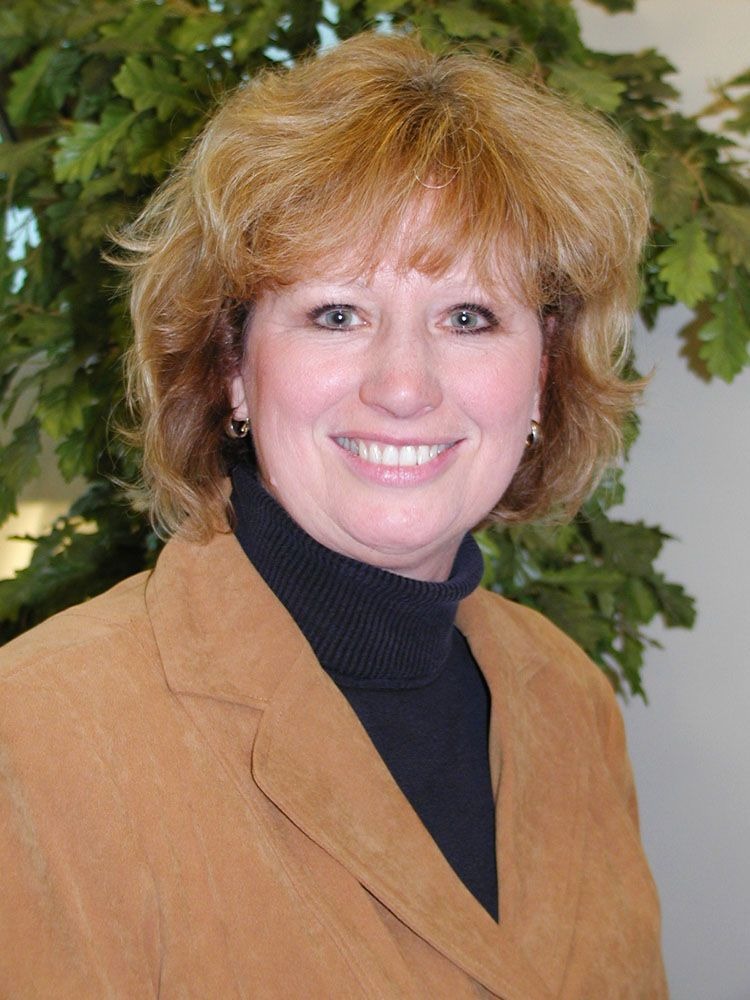
Janet Garkey

‘Fiercely loyal’ to a financial institution?
by Janet Garkey

Even a simple dog walk can turn educational. And the day job comes in handy at these times.

One of my neighbors—in the wake of so much media attention about big banks charging new or higher debit card fees—approached me during a recent walk and asked, “What’s the difference between a bank and a credit union?”

My dog is smart. She sat down. I turned to my neighbor and began to explain.

Philosophy:
Credit unions are not-for-profit financial cooperatives that exist to serve their members, not to make a profit. The original concept was simple: Credit union members pool their savings and lend to each other. Earnings are returned to members in the form of better rates, fewer and lower fees, and improved services. Banks exist to earn a profit for stockholders.

Ownership: Each credit union member has equal ownership and one vote, regardless of how much money the member has on deposit. That means each customer is both a member and an owner. Banks are owned by stockholders.

Control and management: Credit unions are managed by unpaid directors, who serve voluntarily and are elected by members. Banks have paid directors, legally bound to make decisions in the best interests of their stockholders.

Membership eligibility: People qualify for credit union membership through a common bond. Most U.S. citizens qualify. For example, membership is open to those who work, live, worship, or attend school in a defined community. There are credit unions for military personnel and teachers, and credit unions open to everyone in a particular county. Currently, nearly 94 million members own more than 7,400 U.S. credit unions.

Social purpose: People helping people. Every member counts, and the goal of a credit union is to serve all members well, including those of modest means. Members are fiercely loyal because they know their credit union will be there for them in bad times, as well as good.

Financial education for members: From the very beginning, credit unions wanted to keep members economically independent by helping them learn to save and borrow wisely. Credit unions hold educational seminars on car- and home-buying, basic budgeting, fraud prevention, and more. And they offer a wide variety of print and online tools to help members become better-educated consumers of financial services.
Just as I paused, my dog stood up, anxious to move on down the street. But I had one more message for my neighbor. Credit union founders had a motto that described why credit unions were formed in the first place: “Not for profit, not for charity, but for service.” And in this day and age, great service translates to loyalty. Just ask my dog.

To find a credit union near you, visit aSmarterChoice.org.


Janet Garkey has more than 20 years of personal finance experience in the private, public, and nonprofit sectors. She joined Credit Union National Association in 2003 and develops personal finance products for credit unions. She has held positions at Iowa State University Extension, American Express Company, and the U.S. Office of Consumer Affairs. She currently serves on AFCPE’s Board of Directors. She twice served on the Board of Directors, served as President 2002-2003, and chaired several committees for the American Council on Consumer Interests. She has a B.S. in Consumer Affairs from the University of Wisconsin-Madison, M.S. in Consumer Economics/Public Policy from the University of Maryland, and completed the Accredited Financial Counseling certification from AFCPE in January 2009.

DSEF Academic Engagement

Complete a brief survey to help us identify academic or university connections companywide.

This survey will help us learn more about:

  • The various partnerships each department has with a professor, college or university.
  • The existing connections that our employees may have with a university.
  • How our team can better support or align with these relationships.

Please provide us with the following contact information:

Do you or your department have an ongoing professional partnership or personal relationship with a university, college professor, program or department?