

By Monica Wood
Direct selling is a go-to-market strategy that is an alternative channel to retail. Individual independent distributors market and sell products and services to consumers in direct selling. The channel allows companies to reach customers through personalized interactions rather than relying on traditional storefronts. It also offers distributors flexible earning opportunities by building relationships and leveraging word-of-mouth marketing.
Some of the world’s most storied companies and recognizable brands market today’s leading-edge products through the direct selling channel – these include jewelry, cookware, nutritionals, cosmetics, housewares, energy, insurance, and much more. By leveraging direct selling, these companies create a more personalized customer experience that highlights product benefits in real-world settings. This approach also allows brands to expand their reach through trusted relationships and community-based engagement rather than traditional retail environments.
The direct selling channel differs from broader retail in how it gets great products and services into the hands of consumers. It’s an avenue where entrepreneurial-minded Americans can represent the products they love, while they work independently to build a business on their own terms. This personalized model allows consumers to engage with products through trusted, one-on-one interactions that traditional retail rarely provides. It also empowers individuals to turn their passion into income by building customer relationships and growing their business at their own pace.
Consultants forge strong personal relationships with prospective customers, primarily through face-to-face discussions and demonstrations. In this age of social networking, direct selling is a strategy that many marketers of consumer products find more effective than traditional channels. By combining personal interaction with digital outreach, consultants can create a seamless customer experience that builds trust and engagement. This hybrid approach allows brands to reach consumers where they are—both online and in their communities—while maintaining the authenticity and connection that drive purchasing decisions.
Millions of Americans from every state, congressional district and community in the United States choose direct selling because they enjoy a company’s products or services and want to purchase them at a discount. Some decide to market the products they love to friends, family, and others and earn commissions from their sales. The most successful consultants may decide to expand their businesses by building a network of direct sellers. This model allows individuals to grow at their own pace, whether they simply want to save money or aspire to build a business. As a result, direct selling attracts a broad mix of people who value flexibility, community, and the ability to shape their own economic futures.
Ninety-two and a half percent of direct sellers decide to work part-time, offering busy parents, caregivers, military spouses, veterans, and others flexibility and work-life balance. As advancements in technology create a new American economy whose foundation is built upon the entrepreneurial spirit and independent work, historically, direct selling has been one of the oldest ways millions of Americans have chosen to work independently—long before the advent of the Internet. Direct selling has a long history of substantially contributing to the economy and supporting the millions of Americans involved.
Its adaptability has enabled the direct selling channel to remain relevant through changing economic conditions, technological evolutions, and shifting consumer behaviors. This longstanding resilience underscores the sector’s role as a reliable pathway for individuals seeking autonomy and economic opportunity.
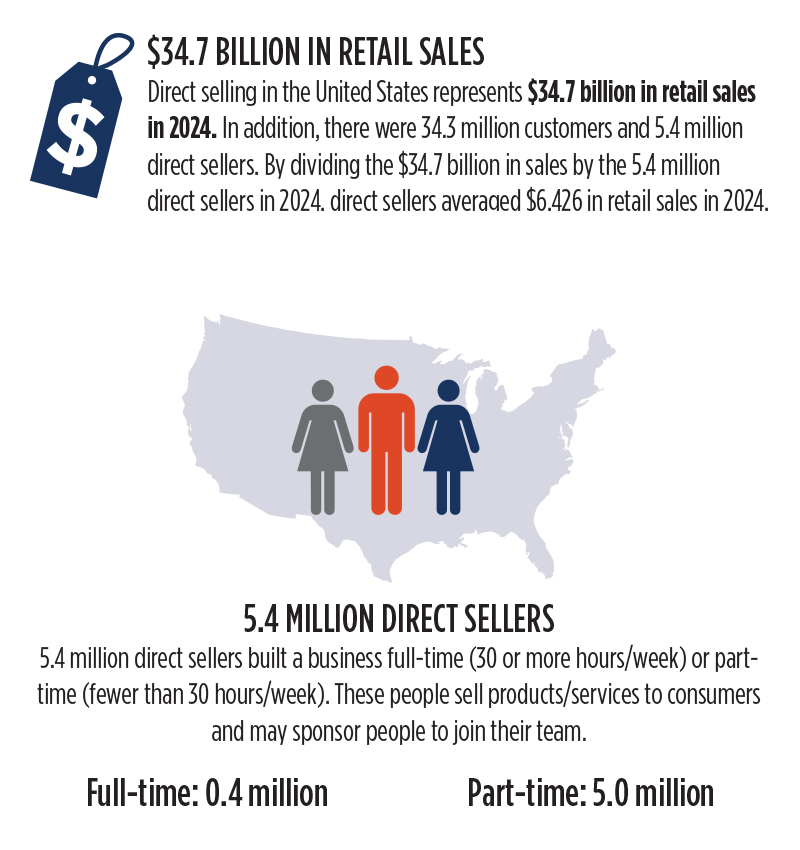
Salesforce make up: Direct Sellers, Discount buyers, preferred customers
5.4 million direct sellers have built a full-time business (30 or more hours/week) or part-time (fewer than 30 hours/week) representing a correction after the hypergrowth of the pandemic. These people sell products/services to consumers and may sponsor people to join their team.
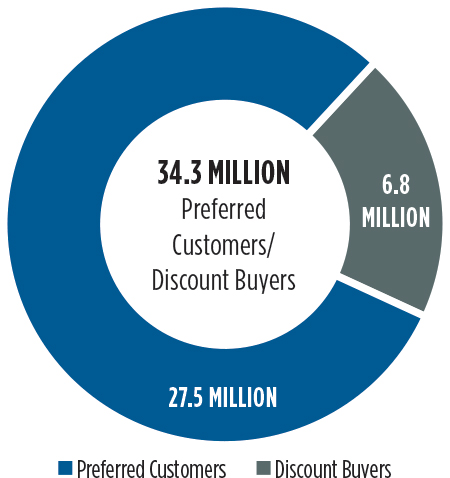
6.8 million Discount Buyers are eligible to purchase, sell and sponsor but currently only purchasing products and services they personally enjoy and receive at a discount.
27.5 million Preferred Customers have signed a preferred customer agreement with a direct selling company where they may be entitled to pay wholesale prices for products and services but are not eligible to sell.
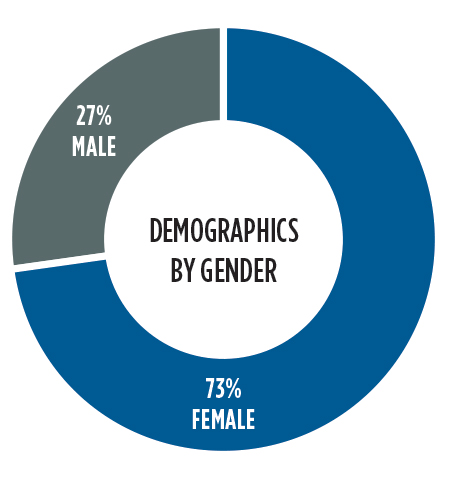
Demographics in 2024: Women, Hispanic participation other highlights
The demographic data show that the direct selling population is predominantly female, with women representing 73% of participants, and most individuals fall within the 35–54 age range. Participation spans all age groups, indicating that direct selling appeals to both younger adults seeking flexibility and older adults pursuing supplemental income.
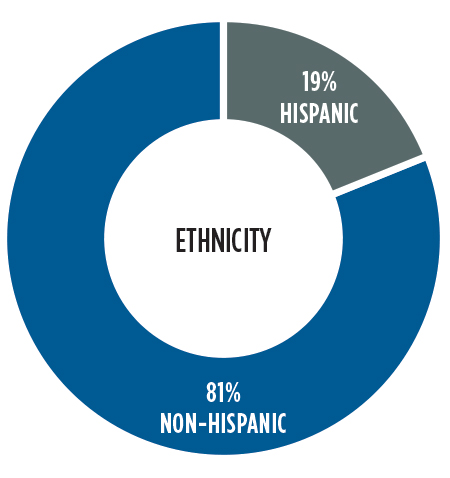
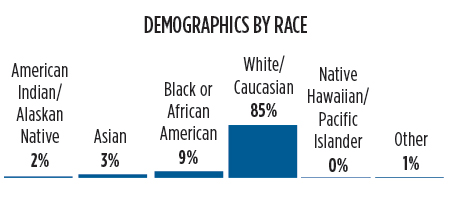 When considering direct seller ethnicity, 19% of participants identify as Hispanic, reflecting meaningful engagement from a key and growing demographic segment.
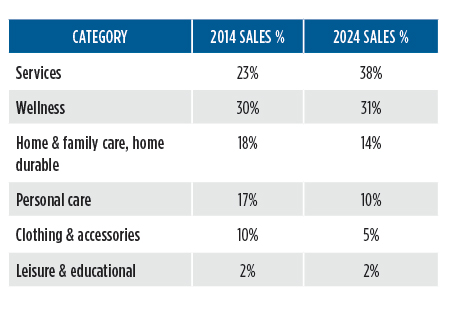
Sales by Category (2024)
The 2025 Growth & Outlook survey results indicate that service-based offerings have experienced substantial growth and now represent the largest share of sales, highlighting strong consumer interest in digitally enabled and value-added services. Wellness products continue to maintain a significant portion of the market, demonstrating their enduring appeal. Meanwhile, the gradual shifts in product-oriented categories—such as personal care, home and family care, clothing, and leisure—represent opportunities for companies to innovate, reposition their portfolios, and meet emerging consumer preferences more effectively.
State Breakdown of Retail Sales/Salespeople by State (2024)
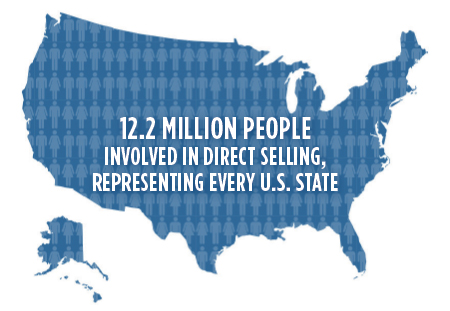
12.2 million people in the U.S. signed or renewed independent contractor sales agreements with direct selling companies in 2024. Of these 12.2 million, 5.4 million worked to build businesses and 6.8 million were discount buyers who purchased products for their own use but chose not to build a business. These estimated direct sales and people-involved figures are extrapolated based on 2025 Growth & Outlook Survey data submitted directly from DSA members.
| State/Territory | People Involved in Direct Selling | Retail Sales |
|---|---|---|
| Alabama | 120,971 | $446M |
| Alaska | 69,150 | $162M |
| Arizona | 231,808 | $620M |
| Arkansas | 116,320 | $362M |
| California | 1,285,088 | $3.9B |
| Colorado | 276,515 | $626M |
| Connecticut | 96,649 | $284M |
| Delaware | 35,730 | $127M |
| Florida | 827,479 | $2.2B |
| Georgia | 396,711 | $1.1B |
| Hawaii | 53,605 | $85M |
| Idaho | 103,444 | $246M |
| Illinois | 425,529 | $1.2B |
| Indiana | 309,809 | $857M |
| Iowa | 204,866 | $647M |
| Kansas | 133,993 | $353M |
| Kentucky | 142,370 | $404M |
| Louisiana | 134,146 | $465M |
| Maine | 64,641 | $187M |
| Maryland | 195,114 | $531M |
| Massachusetts | 140,495 | $434M |
| Michigan | 359,404 | $0.9B |
| Minnesota | 266,638 | $714M |
| Mississippi | 130,921 | $616M |
| Missouri | 194,361 | $492M |
| Montana | 68,031 | $160M |
| Nebraska | 117,414 | $344M |
| Nevada | 107,862 | $266M |
| New Hampshire | 84,186 | $226M |
| New Jersey | 257,016 | $762M |
| New Mexico | 81,552 | $213M |
| New York | 591,642 | $1.9B |
| North Carolina | 410,045 | $1.1B |
| North Dakota | 61,152 | $188M |
| Ohio | 416,559 | $1.0B |
| Oklahoma | 191,781 | $459M |
| Oregon | 142,972 | $418M |
| Pennsylvania | 395,806 | $1.0B |
| Rhode Island | 35,506 | $111M |
| South Carolina | 182,085 | $470M |
| South Dakota | 66,977 | $201M |
| Tennessee | 248,566 | $758M |
| Texas | 1,219,347 | $3.6B |
| Utah | 190,869 | $514M |
| Vermont | 19,937 | $72M |
| Virginia | 282,753 | $706M |
| Washington | 226,305 | $611M |
| West Virginia | 62,501 | $175M |
| Wisconsin | 278,227 | $816M |
| Wyoming | 39,040 | $90M |
| District of Columbia | 8,464 | $18M |
| Guam | 7,006 | $8M |
| Puerto Rico | 63,550 | $544M |
| U.S. Virgin Islands | 1,458 | $6M |
| N. Marian Islands | 14 | $15M |
| American Samoa | 171 | $0.2M |
| Overseas U.S. Military | 4,421 | $14M |
Looking Forward: What Consumers Think
The direct selling channel remains a viable and strategically significant avenue for companies that prioritize innovation and align their offerings with contemporary consumer expectations. The increasing integration of artificial intelligence is improving the training, development, and empowerment of prospective sales representatives, thereby fostering heightened entrepreneurial engagement across the sector. The continued emphasis on product quality and meeting consumer needs is critical to establishing a strong foundation for sustainable growth. Additionally, as consumer preferences evolve in a dynamic marketplace, opportunities for long-term competitiveness within the direct selling landscape are likely to increase.
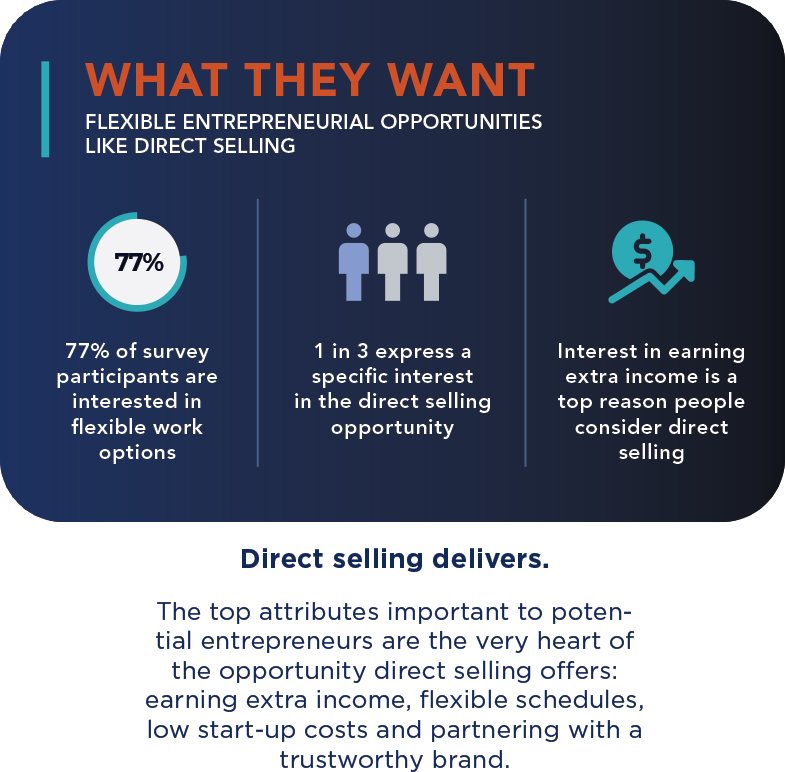
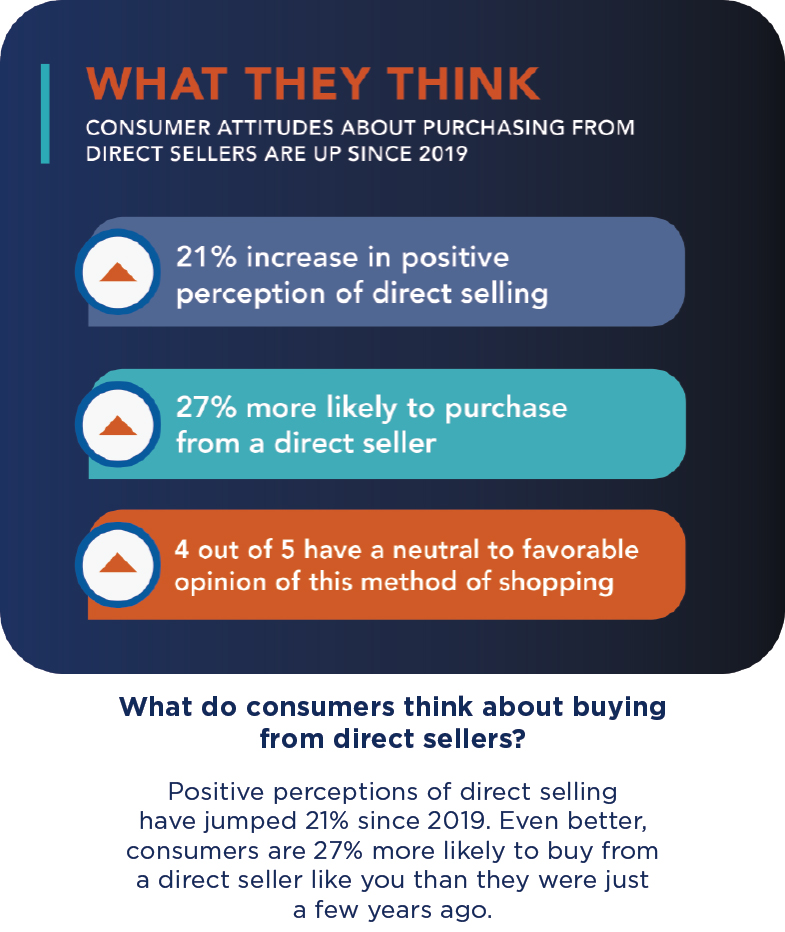
Key findings from DSEF 2024 Consumer Attitudes Study – trends moving in Direct Selling’s direction
Entrepreneurial trends show an increase in participation in activities like direct selling, gig work, and online selling. The number of respondents working as direct sellers has tripled since 2008, with 1 in 3 expressing specific interest in the direct selling opportunity.
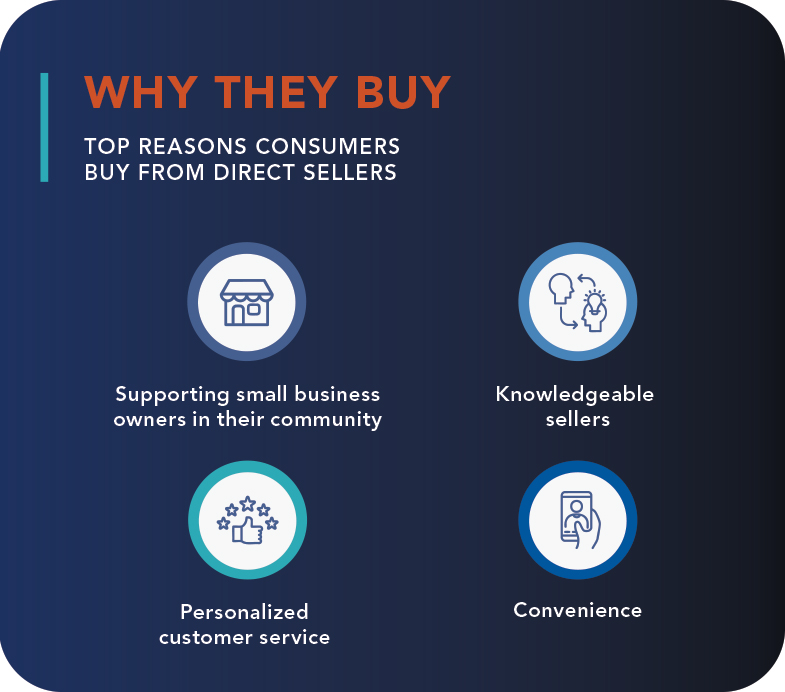
Key attributes that draw consumers to direct selling include the opportunity to support local businesses, access to distinctive products, and engagement with knowledgeable sellers. Social media continues to serve as an important mechanism for direct sellers to reach prospective customers, despite a decline in its perceived usefulness for maintaining connections and staying informed.
Overall, the study reflects a growing interest in flexible work arrangements, including direct selling. In an effort to enhance its appeal, the channel might consider further leveraging its strengths—such as personalized service, unique product offerings, and a strong sense of community.
Monica Wood is the Vice President of Consumer and Member Insights at Herbalife and Chair of the DSEF Industry Research Committee.
